Before the movie posters and famous tough-guy roles, there was a boy in a Pennsylvania coal town whose family could barely afford clothing.
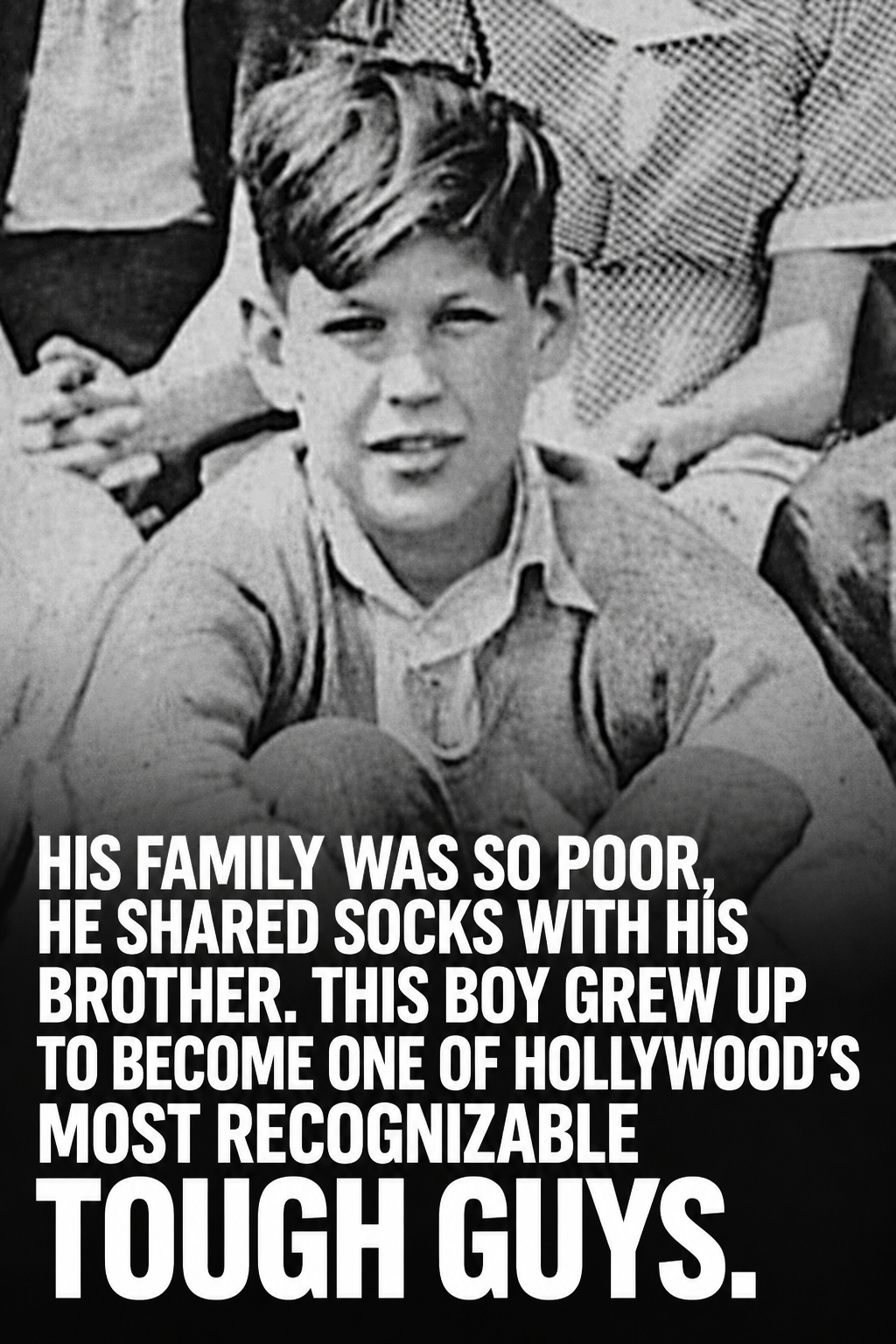
He later recalled wearing his sisters’ hand-me-downs—even a dress to school. Sometimes, after returning home, he had to remove his socks so his brother could wear them into the mines.
His family had also experienced eviction from their company-owned home during a miners’ strike. They moved into another family’s basement.
Eventually, he followed his brothers underground. Mining paid by the ton, and the work demanded exhausting physical effort. His escape came through military service during World War II. He later remembered it as the first time he had been properly fed and clothed.
After the war, he chose not to return to the mines.
Instead, he picked onions, worked nights in a Philadelphia bakery, and took art classes. Acting came later, after a friend took him to see a play. He decided to try it, although his earliest stage appearances brought little attention.
The boy was Charles Bronson.
The former miner eventually appeared in The Magnificent Seven, The Great Escape, and Once Upon a Time in the West, becoming one of cinema’s most recognizable stars.
Yet when he spoke about his childhood, the details were painfully ordinary: borrowed clothing, crowded rooms, and a pair of socks that two brothers needed.